Our vision
Our vision is to be the champion of socio-economic prosperity for rural people while enhancing sustainable development
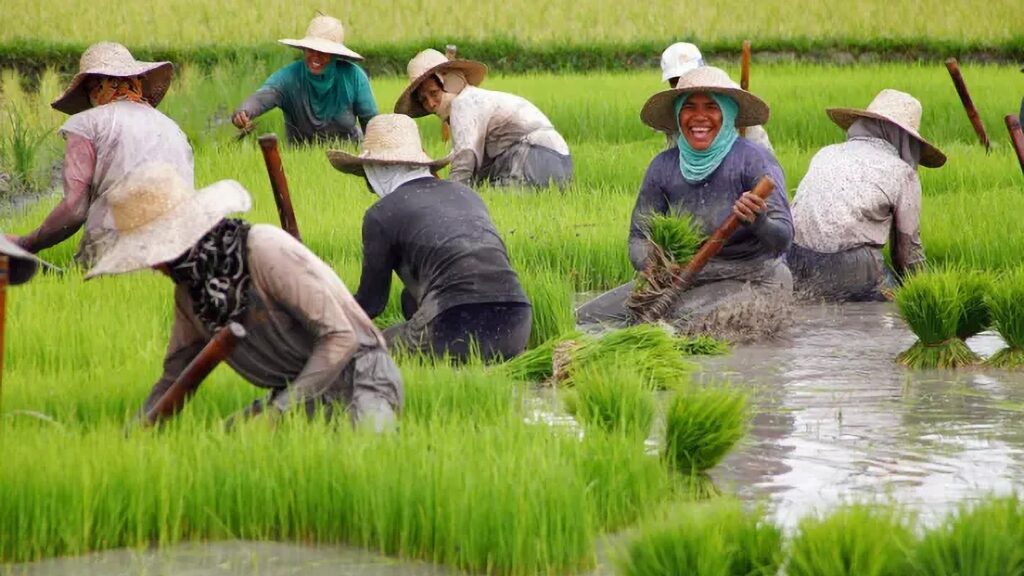
Our main responsibility encompasses a range of approaches and activities that aim to improve the welfare and livelihoods of people living in rural areas. Rural community as a branch of community development, we carry out these approaches by paying attention to social issues particularly community organizing..

Gender Equality
Youth through ICT
About us
To contribute to the promotion of the well- being of the people but in particular that of poor rural people
-To promote the creation of generating income activities in favor of vulnerable groups of people
Our vision is to be the champion of socio-economic prosperity for rural people while enhancing sustainable development
To serve the basis of socio-economic transformation of rural people with decent livelihoods
FAQ
ISRCD aims to help rural people transform constructively their own lives and take charge of their own destiny, while creating within them a sense of self-worth and confidence, hence becoming change agents that lead to sustainable and inclusive development.
ISRCD was established in 1989, but it began funding rural organizations in 1992 after a long journey of research aimed at finding out how rural people can catch up with urban people in having improved living conditions.
ISRCD uses a Community Participation Approach (CPA) in the entire process—from planning, designing, and implementation. Before funding any organization, they assess community participation to ensure community ownership of the project. Without this, there are no sustainable solutions to the problem the project intended to address.
Many community development methods have been created and used by organizations involved in international development but without real results. This is because there was a lack of community participation in planning, designing, and implementing projects. ISRCD believes that community ownership is essential for sustainable solutions.
YEDP deals with youth issues, aiming to empower young people to develop their skills, create and improve opportunities, and have a higher life expectancy. It includes literacy courses, vocational skills development, life skills training, HIV/AIDS awareness through arts, reproductive health workshops, sports clubs, and the Youth Empowerment Fund (YEF).
YEN is a worldwide platform established by ISRCD for the youth. It works to counteract the effects of poverty on youth development and education so that partner organizations can sustain growth from one generation to the next. Through YEN, young people are encouraged, trained, supported, mentored, challenged, and mobilized to be the change they want to see in their communities.
WEP deals with women’s issues in rural areas, where women often have fewer opportunities and suffer from rights violations. ISRCD provides vocational skills and microenterprise development training, microfinance opportunities, self-help groups, community workshops on rights and health, legal and psychological counseling, and advocacy campaigns. The ultimate goal is the establishment of the Women Enterprise Development Fund (WEDF).
RISF is a special technical program that strives to alleviate poverty among rural people by providing vocational/business training, microfinance, and access to markets. It partners with over 50,000 cooperatives worldwide and helps different categories of people organize themselves into cooperatives and community-based organizations.